Many years ago, I was watching a documentary showing tourists on their visit to Ghana. They were all standing at the famous port from which large numbers of captured Africans were shipped to the west. The tour guide was explaining the gruesome process and naming all the countries to which these Africans were shipped. He then noted that he was sure the Jamaicans present must be wondering why he did not mention Jamaica as one of the Caribbean destinations and advised that Jamaica was never one of the countries targeted to send slaves. In fact, the Africans who ended up in Jamaica were the ones who consistently created problems for their owners as they consistently resisted enslavement. So, Jamaica was like their prison. Their constant rebellions did not fit in with the business models of the day. It was many years after, that Jamaica became an active slave colony with sugar cane, tobacco and other farms springing up all over the island.
Emancipation laws eventually freed enslaved populations in colonies such as Jamaica in 1838. This profoundly affected the social and economic structures of the society then and is felt, up to the present day.
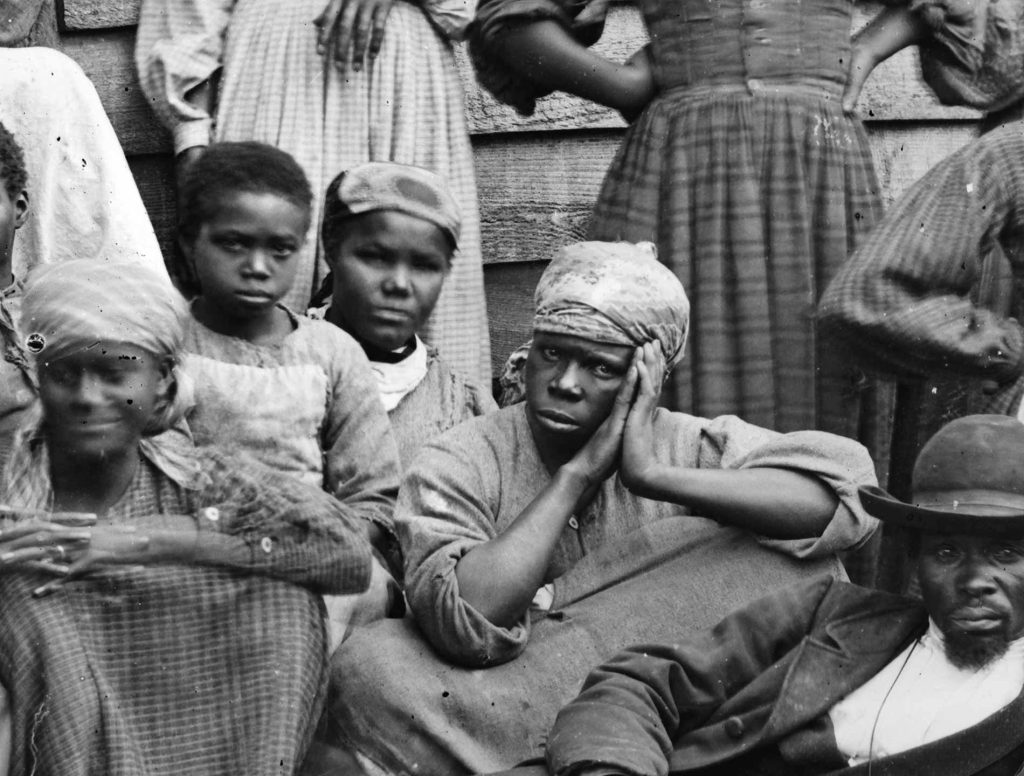
On emancipation, the planter class were compensated as part of the condition for emancipation. The former slaves were not. All they got was the option to remain in their places of shelter for as long as they work for the plantation. The same plantations on which they were consistently treated like less than humans. Sadly, many opted to continue as the options they could envision were few. Many others left the plantations for good in search of a better human life.
As stated so eloquently by author, Nkwocha Chinedu, in his article in “Talk Africana”, In 1834, when the British Empire officially abolished slavery, the government organized what would become one of the largest transfers of wealth to private individuals in history. Yet, none of this money went to the people who had endured generations of forced labour and cruelty. Instead, it was handed out to thousands of slave owners across British colonies as compensation for the loss of their “properties.”
One item of fact is that slavery was never abolished on moral grounds. It simply became more and more unprofitable from the constant insurrections on the plantations as well as the resistance from abolitionist movements across the country as well as in Britain.
So, the British government passed what was ironically called the Slave Compensation Act in 1837, except the money was never intended for the slaves, but the British slave owners. The slaves were left landless and forced to find their way in this cruel land they were forced to now call home. To this day, the severe economic gap which resulted from that abolition period remains visible across the society.
When Jamaica became an independent self-governing nation in 1962, it had an enormous opportunity to correct some of the ugly wrongs of the post slave society regarding the ownership of land. What a missed opportunity. One would think that with independence from Britain, the new government would try to correct the severe landlessness among the majority of the population. For so many of our people, not much changed in their lives for the better. As a dear friend of mine always said about that period, “Jamaica got off to a poor start regarding leadership”.
From time immemorial, various movements, academics and even regional integration movements have been clamouring for reparation from Britain and all the other countries who led the Trans-Atlantic human trafficking and slave trade. To date, apart from the occasional apology here and there, nothing is forthcoming. Nor is any likely to! The recent Mellisa hurricane disaster in the western part of Jamaica, has served to expose the levels of poverty so many Jamaicans are forced to endure daily and quietly in this country. So many of our people are relegated to a life of squatting on land they do not own. What an opportunity for government to identify and offer government owned land to the landless to reorder their lives. For decades government lands have corruptly ended up in the hands of the politically connected. Mellisa’s message may well be that it’s time to right that wrong. Our reparation is the land! Stop wasting time begging those criminals from the past for forgiveness. It will never happen.
From the first Africans hit Jamaica’s soil, they have never really considered it home. Yes, we hear many of our people talk that they love Jamaica. Yet they are ready to pack up and leave it with the first opportunity to do so. A recent survey among near graduates across the island’s educational institutions showed that some 70% of respondents are looking forward to opportunities to go abroad after graduation!
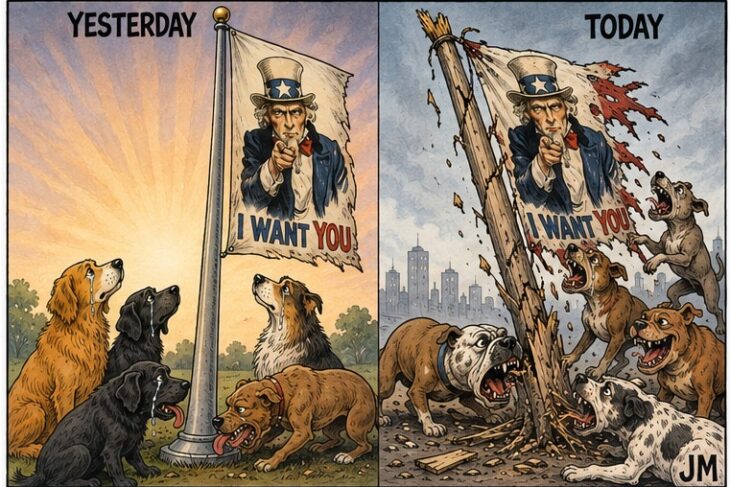
Recently, I was looking at the situations in Albania, Iran and Ukraine where citizens rose up to defend their country against aggression and wondered how many Jamaicans would be prepared to do so for Jamaica. Probably the solution to having Jamaicans committed to and really loving Jamaica is to let them own a piece of this rock. This potential paradise is as much the property of the descendants of the former enslaved as it’s been for the former slave masters. It will only start with visionary incorruptible leadership.