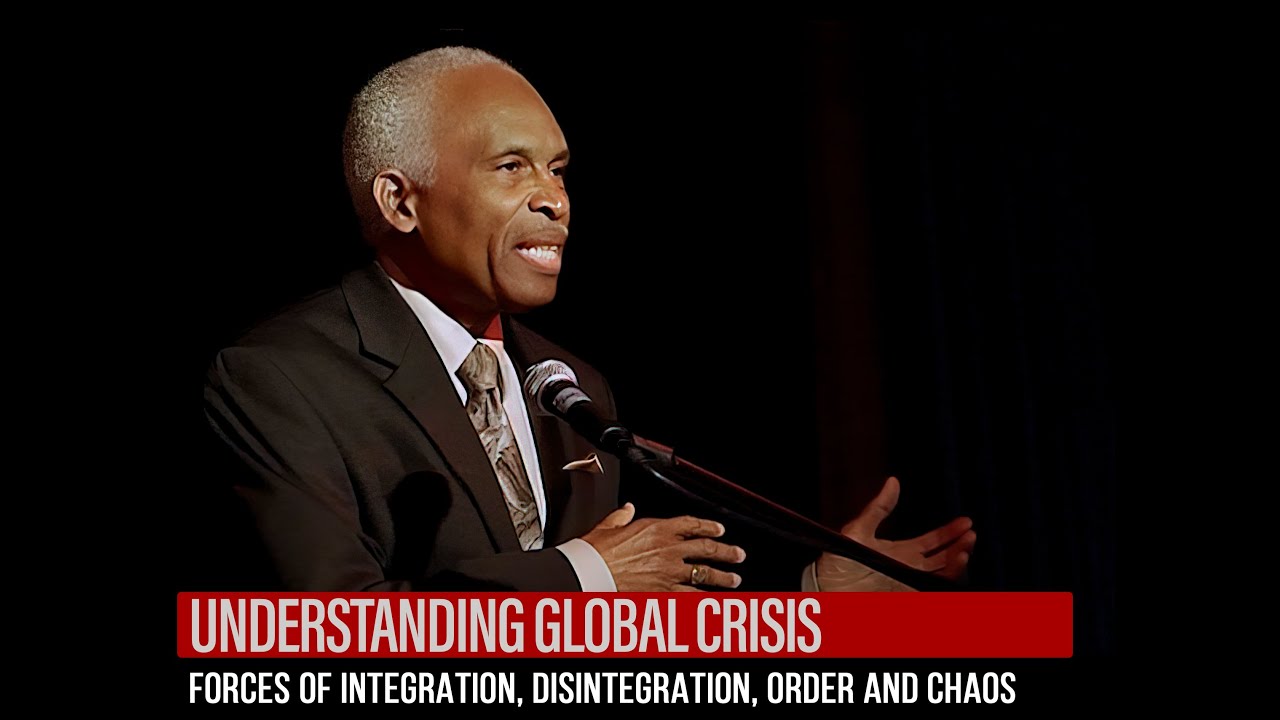
Mr Glenford E. Mitchell, son of Hubert and Mabel Mitchell of the deeply rural community of Brighton, St. Elizabeth, was born on March 3, 1935.
His paternal uncle, William Mitchell, is distinguished as being the first Jamaican male to accept the Baha’I teachings that Baha’u’llah is the Messenger of God for this time.
Glenford attended Baha’I Children’s Classes along with his brothers and with the sons of Julius Edwards and Randolph Fitz-Henley. Mr Edwards later became the first Baha’i to share the Teachings of Baha’u’llah in Ghana, West Africa.
Mr. Fitz-Henley was one of the first persons to initiate the development of schools where commercial subjects were taught in Jamaica.
These young lads all declared their belief in the Teachings of Baha’u’llah and became avid teachers of the Faith.
In his 20s, the astute, sharp, philosophical, spiritual Glenford, after completing high school, got the opportunity to continue his studies in the United States and he excelled.
In 1960 he earned a Bachelor’s degree in Business Administration from Shaw University where he was named to the Alpha Kappa Mu Honor Society and was closely involved in the formation of the Student Nonviolent Coordinating Committee (SNCC) — the major avenue for student engagement in the Civil Rights Movement. He was also recognized in Who’s Who Among Students in American Universities and Colleges. He went on to receive a Master’s degree in Journalism from Colombia University in 1962. In recognition of his contributions to Literature and human service, he was awarded an honorary Doctor of Letters from the National College of Illinois in 1980.
His professional career was defined by a superb literary talent and editorial precision. He served as the assistant editorial director of Maryknoll Publications and as assistant editor of the prestigious Africa Report. He was also an instructor in English and journalism at Howard University.
He was known for distinctive service in the American Baha’i community. Firstly, he was appointed to be the Director of College and Youth activities at the Baha’i National Centre. He was subsequently elected to be the Secretary of the National Spiritual Assembly of the Baha’is of the United States, in which position he served from 1969 to 1982. In 1982 he was elected by the Baha’i World to be a member of the Universal House of Justice, the international governing body of the international Baha’i community. He served on this body until 2008 overseeing the growth of a global community spanning over 100,000 localities.
In recognition of his monumental impact, the Universal House of Justice has called upon more than 185 National Spiritual Assemblies worldwide to hold befitting memorial gatherings. These tributes will take place in Baha’I Houses of Worship on every continent, reflecting the deep respect of more than 8 million Baha’is globally residing in 259 sovereign states and territories.