“The earth is but one country, and mankind its citizens.” A statement from Bahá’u’lláh the prophet founder of the Bahá’i faith should be the prerequisite principle to guide any discussion about building community. We need this more today than ever.
As the world is spiraling because of war, food insecurity, drought, flooding, fires and so many other challenges that have created an environment where people are becoming more separated as they attempt to survive, we seem to be further away from community building than ever. And yet there is so much that can bring us together.
Our world is made up of many different communities. Whether the community we identify with is religious, political, school, work, recreational or neighbourhood, there is one thing in common that brings people together. We join these communities because we have similar interests, beliefs or activities that hold us together in unity. These are places where we feel safe and secure in our participation. That is what ‘community’ does: it allows us to have fellowship with others and it is obvious that a lack of fellowship is causing divisions and strife.
First and foremost, we need to concentrate on our families. Our families can provide a foundation that will enhance decision-making and build positive views of the world. However, today it is clear that destruction begins when children do not feel safe, and their basic needs are being neglected. A lack of security undermines confidence, the ability to acquire knowledge that will promote world unity and encourages people to withdraw and focus on their own needs instead of building meaningful relationships. And yet, love and respect from other family members provides ties that form the basis of connections with others.
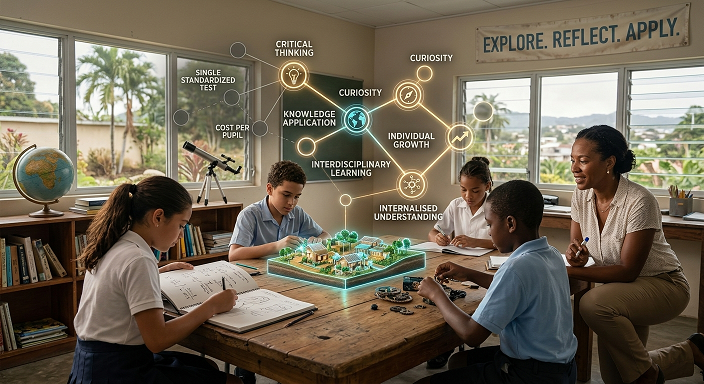
As human beings in the 21st century we thrive when we can connect in meaningful ways with others. We rely on others for our food, clothing, and shelter. Whether we are a social extrovert or introvert we rely on emotional and spiritual support. And we learn from each other. Often there is a sense of ‘oneness’ within the groups that enhances thought and action.
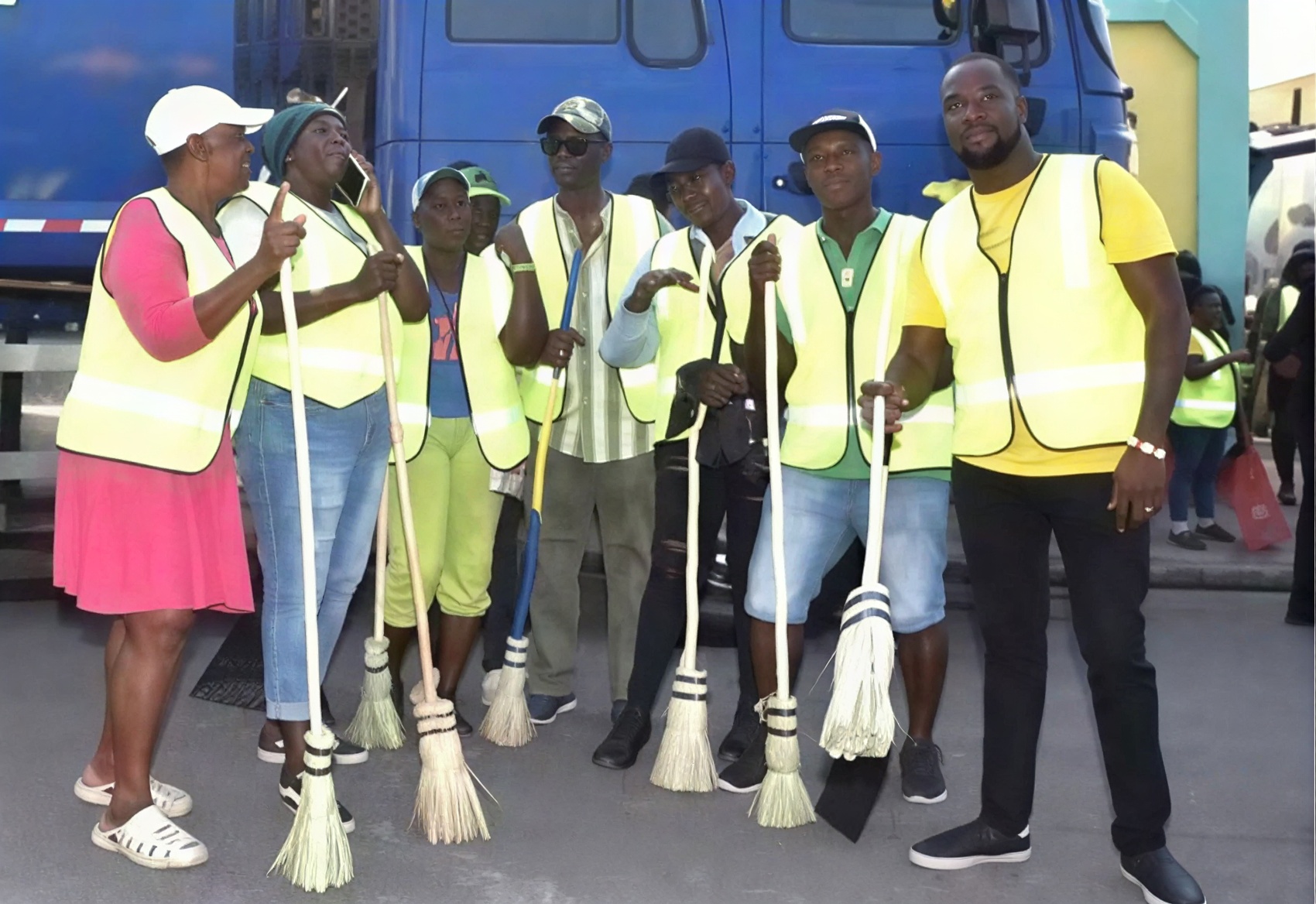
Not only do we need family and smaller community relationships, we also need to pursue larger communities. These are the relationships that are necessary for town or cities to exist peacefully. Our states, regions and countries need people to come together to formulate decisions for the benefit of everyone who resides in proximity within those regions. Even more importantly we need to understand the essential bonding that is necessary for the world to operate across those artificial boundaries that seem to separate us. One of the reasons the world seems to be floundering now is because the basics of community building have been neglected.
To fully understand the impact people must become educated so that they understand the greatest obstacles to community building across larger environments are the divisions caused by human-generated labels and stereotypes. Fear guides the perpetuation of behaviors that often lead to aggression and selfishness. To move away from these divisions means that we need a social transformation that can only occur if it is guided by spiritual principles, love and respect for each other. Until everyone accepts the idea that we are all connected, our attempts at community building will be thwarted and we will continue on a destructive path with disunity — the cause of war, strife and the demolition of the environment. All of this is evident in the crises that are gripping the world today.
Essential to community building is the development of active listening and consensus building. When we hold onto personal views or opinions, we tend to block out possibilities that may enhance decision-making and promote unity of action. Believing that the answer is not found in political bantering or argument, faith-based institutions work towards creating unity of thought rather battling for power. We need to care enough about each other to see that working together will build lasting positive relationships that can endure over time and promote solutions to the problems we face.
Unity and collective collaboration that leads to positive thought and action is more important than always having the right answer at first. Decisions can change as time and information change. A process of thought, action and reflection and consultation with honest and open discourse based on trust brings people together. The effort towards connecting with each other must be dependent on our willingness to cooperate rather than to promote our personal agendas or opinions. In the end, we trust that the best solutions come from a united front, not one where there is a power struggle.
Baha’is around the world come together to incorporate a form of consultation that requires the type of positive thinking and relationship building that is necessary to thwart the threats to world peace and survival of humanity. There are enormous problems that must be addressed, but an effort to tackle issues in small steps can make a difference.
For communities to thrive they must develop the strength and courage to work from a united position towards making decisions that promote the betterment of every member, not just a few.
“So powerful is the light of unity that it can illuminate the whole earth.” — Bahá’u’lláh