The recent passage of Hurricane Melissa has left so much destruction in Jamaica; nothing any living Jamaican has ever witnessed in their lifetime. As usual, it is the poorest among us who suffer the most.
A single trip around this so-called paradise, post-Melissa reveals the levels of poverty often hidden behind the lush vegetation and picturesque hillside views seen by travellers throughout the countryside.
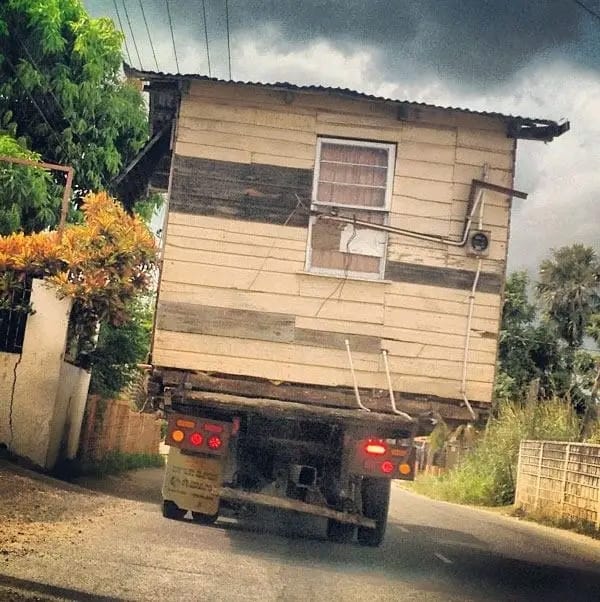
The Jamaican reality, so long ignored, is that an inordinate number of our people in the rural areas are forced to build their houses out of wood, because they do not own the land on which they live. It’s all leased land! Thesehouses are therefore built in such a way that they can be lifted and transported to a new location by the dweller if needs be. This is the reality faced by many so-called homeowners in the country. So, no one should be surprised that these houses were reduced to rubble under the force of a hurricane the magnitude of a Melissa.
For historical context, much of these lands were sugar plantations under the old plantation systems that existed during slavery and colonialism. When slavery was abolished, the slave masters were handsomely rewarded by the British with the land, while the rest were held by the then Government. The former slaves got nothing. Some opted to continue working on the plantation for a stipend while they were offered leased land to build wooden houses while in the employ of the former slave master. Since independence, Jamaica has made tiny steps toward serious land reform across the country. In many cases, the rural poor have continued to endure uncertainty in their living conditions, with little hope of ever becoming owners of, at the very least, the plot they live on. Meanwhile, so much of the younger generation who witnessed their families struggles refuse to emulate them and so they move to the cities or emigrate at their earliest opportunity, in search of an often imagined “better life”.
Melissa’s destruction hopefully will be seen as a call to action for the Government to right some of the wrongs of the past. There is urgent need for comprehensive and honest land reform across the nation. All the local municipalities must be brought to the table with the single vision to introduce equity in addressing this centuries old issue. In 2025, there are still too many Jamaicans living in abject poverty in the country after their foreparents slaved so hard under cruel conditions without earning their “5 acres and a mule”, while the descendants of those slave masters still own hundreds of acres, many of which is now idle land.
So far, the rebuilding process seems without vision. We cannot simply be satisfied to replace the wooden structures that are now mere rubble on the ground. The relevant authorities must step up and guide the rebuilding process: Where one can build; What materials are acceptable. These must be considered in any rebuilding process prior to official approvals by the building code authorities. Due to the magnitude of the tasks ahead, speed is of the essence.
Time for all to stop taking for granted the meteorological signals in the environment. We humans have systematically destroyed the world environment by our daily actions, and the elements are simply reacting. Global warming is not a hoax.
In the final analysis, it’s not really the responsibility of Government to rebuild houses. Government’s role is to make the process seamless for all who are desirous of rebuilding. This is why the immediate post-hurricane period is so critical. The transition period must see support in terms of safe, even if temporary, accommodation, consistent dietary support and some element of economic support to aid in the immediate transition to some level of normalcy.
Another major consideration that I don’t think is getting enough attention is the serious effect this trauma is having and will continue to have on our people mentally. This moment demands that every available psychiatrist must team up to provide needed help to the victims of the hurricane. We underestimate thisintervention at our peril. The road to recovery will never be easy. It will require shared revolutionary vision; strong, competent, honest and able leadership; enormous financial resources; and requisite management skills to make it all a reality.
As our recently passed musical icon Jimmy Cliff sang,
“Many rivers to cross
And it’s only my will that keeps me alive
I’ve been licked, washed up for years
And I merely survive because of my pride”
Do we have the national will and pride to see this crucial rebuilding process through? Let’s show the world how truly resilient Jamaicans are!!