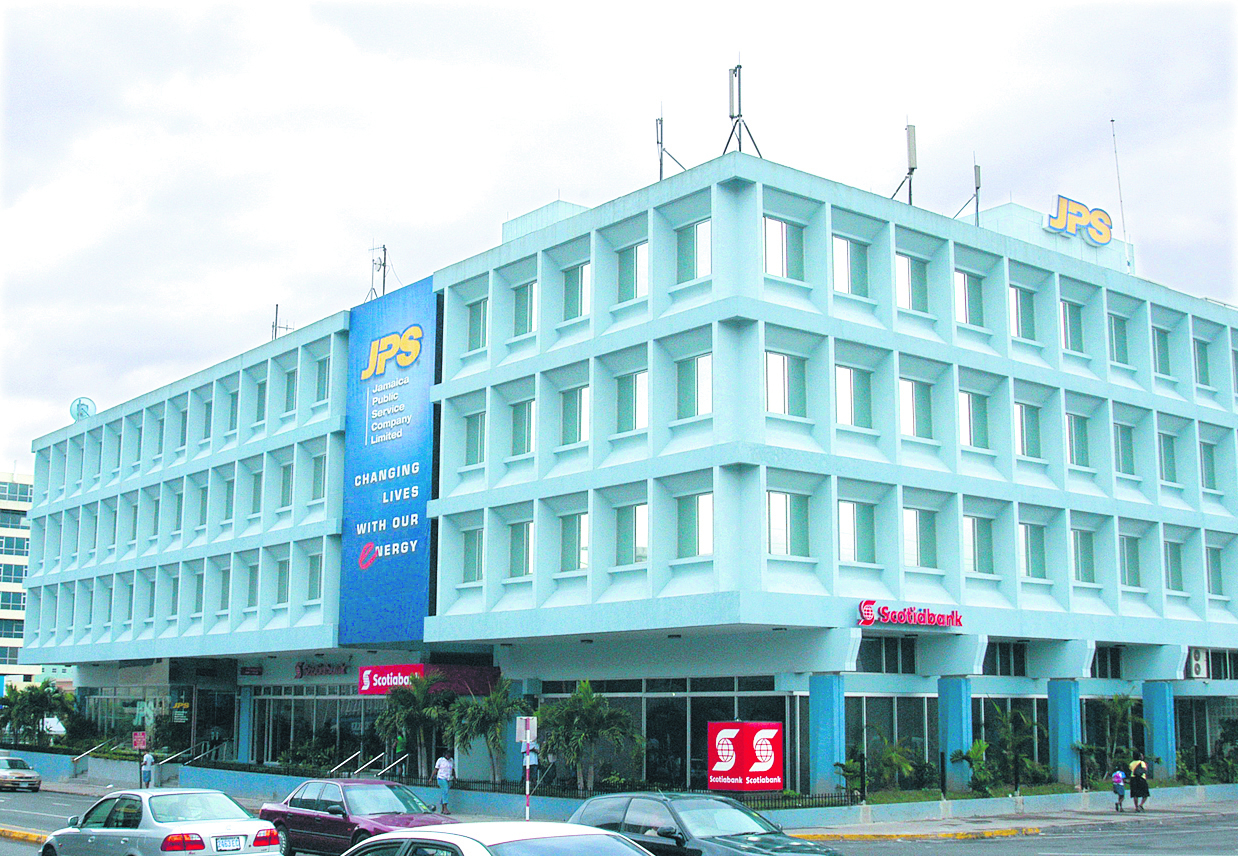
Almost 30 years ago, the Jamaica Public Service Company (JPS), the island’s sole electricity supplier, was privatised. The entity, which had been in State hands for almost 30 years by that point, was hemorrhaging money along with aged and teetering infrastructure, and during a time when the nation was still navigating the streams of a financial meltdown and the Government was broke in ways that kids today can only conjure in bad dreams. The sale of this entity was deemed the best move.
The move to privatize this entity was always controversial — one which the public, by and large, still does not agree with, but it was done, and the State sold its majority stake, leaving itself with a paltry 20 per cent. The outstanding 80 per cent is held by Marubeni (40 per cent) and KEPC (40 per cent), respectively, both of which are ridiculously successful companies.
As I am sure we all know, following the passage of Hurricane Melissa, JPS stated that it suffered damage up to US$350 million and that it was unable to get the money to rebuild on the private markets, as its licence was about to expire. This, coupled with the fact that the GOJ has signaled its intention not to renew the licence on the existing grounds, meant that JPS had issues raising the money on the private markets and so got a loan of US$150 million from the Government.
It was also reported that some US$450 million from the over US$6 billion loans that have been secured for rebuilding has been earmarked for the JPS and its effort to restore electricity to the areas which have been hardest hit by the hurricane.
At this point, red flags, flares, and bullhorns should have been going off. How is it that a company in a region notorious for hurricanes has not set aside a sizeable portion of money to rebuild? How is it that a majority shareholder who operates in the region already (Haiti) did not have a kitty prepared for this?
Why is it that the parent companies, and the majority shareholders to boot, are refusing to provide a cash infusion to JPS and instead get loans from the GOJ to the tune of US$150 million to rebuild? Is it that JPS believed that it would get an extension, so it did not really do the hard work of looking for money? Is it that it is simply cheaper to take out the loan than use its capital to rebuild as it seeks to get a new licence agreement? Or is it that JPS simply had intentions of abandoning the region with its increasingly costly natural disasters, so again it did not look that hard?
Either way, major issues are highlighted here with JPS and how it has operated following the hurricane. There are also lessons that need to be learned and put in stone as a result of this. The electricity JPS provides is a critical to the nation. As the sole provider of power islandwide JPS has us by the short and curlies. If the company says jump, we say how high. We see this with the people who steal electricity; instead of eating that loss or going into communities and taking down the lines, JPS passes it on to the paying consumer. More pressing, if the private owners of JPS are unable to secure money, the operations will cease or at least dwindle, negatively impacting the nation.
There is no rhyme or reason why critical entities like JPS should be in private hands, and this hurricane has shown it. The fact that a private company running this critical monopoly has come to the Government and said the job is too big for it should mean that it is removed from the private company’s hands and never put in private hands again. It cannot be that it is rampant capitalism, but you are too big to fail, so you get bailed out and remain private. No, if the job is too big for you, then give it to the State, which has no issue running losses when it comes to providing a public service (what the level of acceptable loss is, is up for debate, but that very argument simply strengthens my point).
This should also serve as a warning for people who wish to see the National Water Commission privatised or further enmeshed with the private sector. It is the State that will be left with the bag, be it People’s National Party, or Jamaica Labour Party, or a third party which forms Government.
Any company that has monopoly rights on a critical sector will, in the end, come to the State cap in hand for bailouts. It is only the State that can grant exorbitant loans to these companies and extend the date of repayment, because the State is not going anywhere.
It is only the State that will do long-term infrastructure investments because it is not going anywhere and can absorb the short and medium-term losses. The private company can only afford to lose so much and no more before it withdraws from these industries, as seen with Puerto Rico and its privatised grid or the United Kingdom and its issues with its privatised water sector.
Jamaicans have a saying, “Tek sleep mark death”. It is very apt in this moment. This should be the wake-up call that, at the very least, the major utilities should be in State hands. These cannot be left to the whims of the private sector, which will, and do, view these entities in a wholly different manner than the rest of us. They view it as a means of capital extraction, while we view it as the security of the nation. The two views cannot be woven together, and as a result, we must nationalize them.
The idea of nationalisation is not a vote loser. If there is one thing that has majority support it is for changing how JPS operates, and nationalisation would go a long way to doing that. We have a once-in-a-generation opportunity to right the wrong that was done a generation ago, and we have real-world examples of why leaving JPS in private hands is harmful. Let us hope we take the chance and put it back in public ownership.