Melissa is not some ‘Mali Gripe an’ Fluxxy Complaint,’
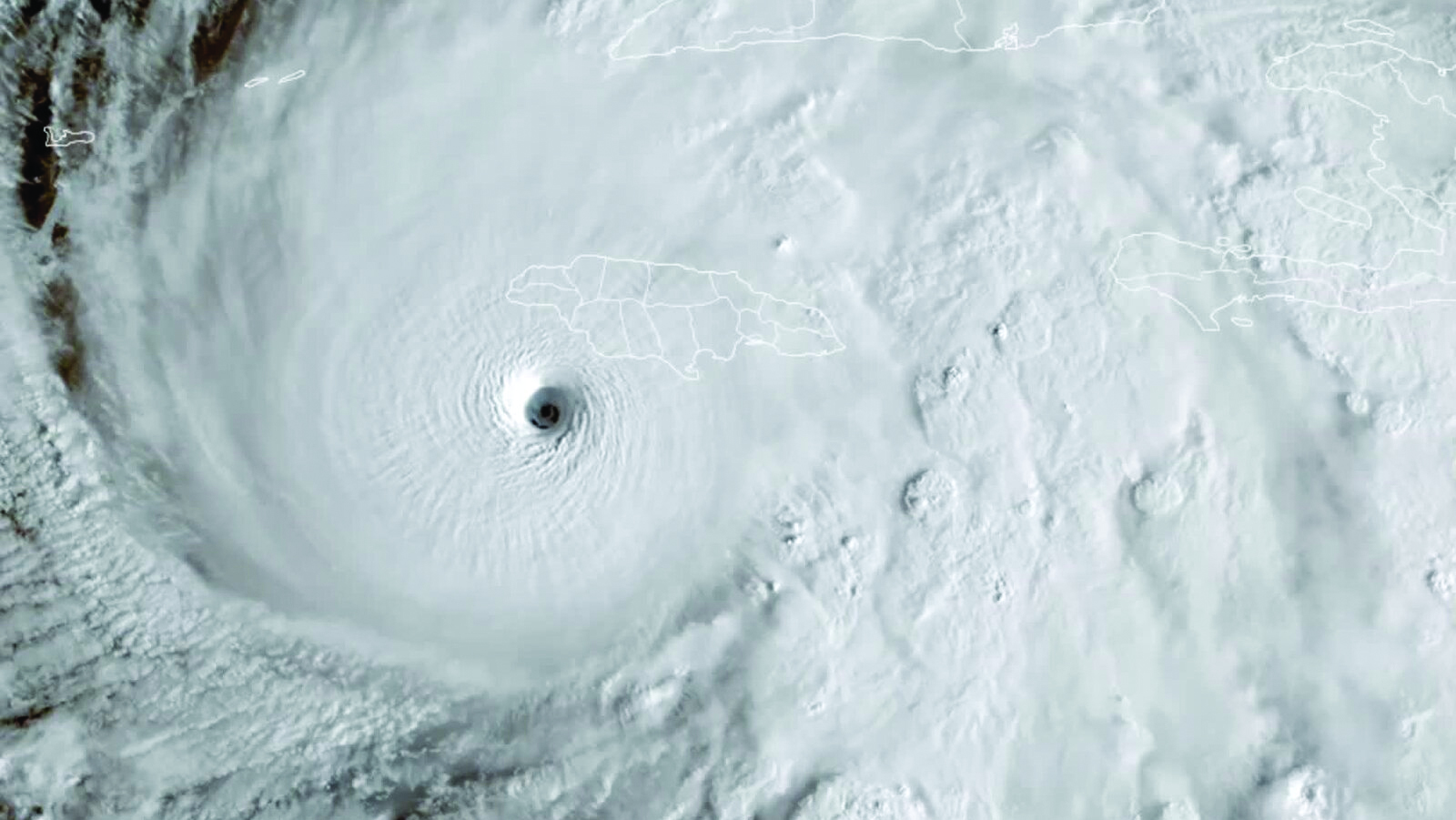
In Jamaican folk speech, few expressions separate the trifling from the tragic as clearly as the phrase “Mali gripe an’ fluxxy complaint.” It is a dismissal of petty fuss, the sort of minor inconvenience that a rural grandmother would wave away with a half-smile before returning to real work. But nothing about Hurricane Melissa resembled a petty inconvenience. Nothing in the science, the rainfall, the wind field, the fatalities, the economic impact, or the psychological shock was remotely “fluxxy.”
And yet, for too many hours before and after Melissa’s landfall, Jamaica’s national tone did not match the magnitude of the threat. The old ministerial choruses resurfaced. A few too-familiar lines about “McGregor Gully” here, a quick reference to “Taylor Land” there — as though these ritual invocations could stand in for hydrological reasoning or substitute for genuine, timely disaster communication.
Melissa tore that comfortable script to pieces.
The Science Was Speaking Clearly
Weeks before the first feeder bands formed, regional scientists were sounding the alarm. The UWI Climate Studies Group reported that sea-surface temperatures in the hurricane development region were 1.5°C above average, creating the perfect incubator for rapid intensification. NOAA confirmed the global trend: storms are now strengthening five times faster than they did in the 1980s.
Melissa behaved exactly as the literature says such storms will. She was not a surprise. She was a scientific inevitability that collided with political unpreparedness.
Infrastructure Failed Just as Engineers Predicted
Local engineers — in JIE, in private consultancies, in independent assessments — have long warned that Jamaica’s infrastructure is too fragile for this climate era. Embankments along the North Coast Highway were repeatedly flagged as overstressed. River training deficiencies were noted in St Mary, St Thomas, and Westmoreland. Slope stability in Portland and rural St Andrew was documented as critically poor.
Melissa simply made visible what the engineers already knew: the system was cracking before the first raindrop fell.
Risk Communication Broke Down
Disaster psychology is clear: mixed messages kill. Public trust determines whether citizens heeded warnings, secured property, evacuated early, or sought shelter. But Jamaicans received an uneven blend of Met Service precision and ministerial improvisation. Tone was inconsistent. Urgency shifted. Technical warnings were softened.This uncertainty forced people into guesswork — and guesswork is deadly during extreme weather.
A Nation Humbled
Melissa revealed a truth too long avoided: Jamaica cannot manage climate-intensified disasters on political instinct alone.
Not anymore. Not ever again.
The professionals must lead.
Next: Part II examines the economic shock, the climate-justice implications, and why the recovery from Melissa cannot repeat the mistakes made after Gilbert, Beryl, and other storms.