No sympathy for Maduro, but legitimate political change must come from democratic processes
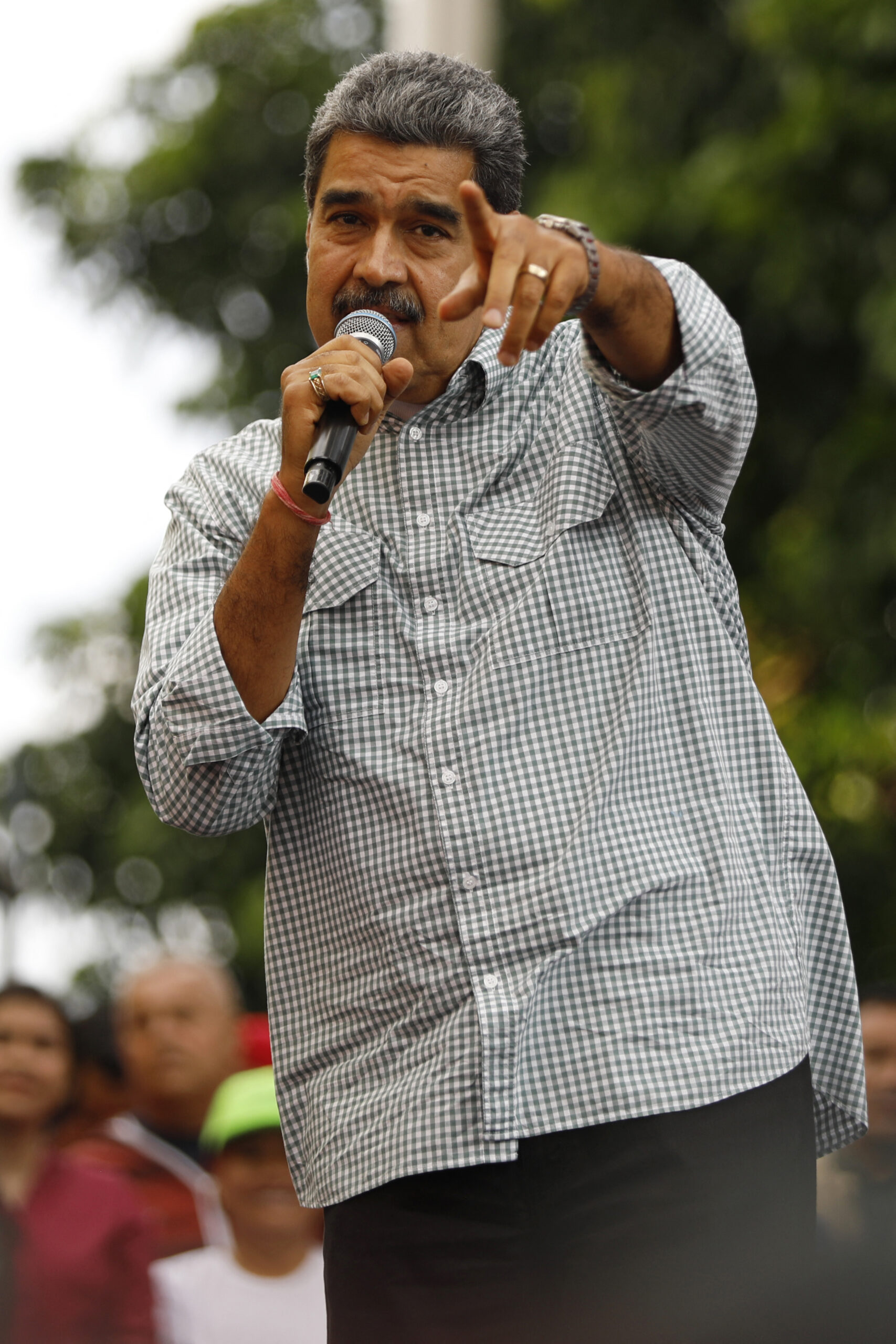
The crisis in Venezuela has entered a dangerous phase. What began as a prolonged political, economic, and humanitarian emergency under President Nicolás Maduro has now escalated into a dramatic external intervention that has shaken both Latin America and the international order.
On January 3, 2026, the United States executed a military operation in Caracas, resulting in the kidnapping of Mr Maduro and his wife, followed by US President Donald Trump’s announcement that the United States would “run” Venezuela until a transfer of power can take place.”
This announcement — presented by the Trump Administration as a temporary measure to restore stability — marks a significant turning point with far-reaching consequences for sovereignty, democratic norms, and regional security. When a foreign power assumes control over a sovereign nation’s governance, regardless of stated intentions or justifications, it undermines the fundamental principle that legitimate political change must arise from democratic processes rather than external intervention.
By asserting control over the political future of Venezuela, Washington risks undermining the very democratic norms the intervention claims to uphold.
Indeed, President Trump’s comments about governing the country until “a safe, proper and judicious transition” leaves the future of Venezuela uncertain, given the comments coming from that South American nation.
Media reports have told us that Venezuelan Vice-President Delcy Rodriguez has said she is ready to work with Washington. However, the same reports have quoted her as insisting in a public address that Mr Maduro was Venezuela’s “only president” and the Government was “ready to defend” the country.
What that means in the current scenario is unclear, especially given word from Venezuela that some Opposition figures have expressed readiness to form a transitional government. That, no doubt, will raise disputes over legitimacy.
In all this though, I have no sympathy for Mr. Maduro because it was only two years ago that he was issuing belligerent threats toward neighbouring Guyana — our Caricom sister nation — over the oil-rich but contested Essequibo region. Through Venezuelan naval activity and territorial rhetoric, Mr. Maduro stoked fears of conflict that alarmed not only Guyana but the broader international community which expressed concern about regional stability.
The irony now is that Mr. Maduro is getting a taste of his own medicine.
On a broader scale, international reaction to this development has been divided. The United Nations (UN) Security Council — underscoring concerns about sovereignty and international law — has called for deliberations on the US action, with the UN Secretary General António Guterres warning of dangerous precedents, a clear concern over the legality and ethics of an intervention without clear multilateral backing. It is a point that bears even more relevance in the context of Russia’s invasion of Ukraine and China’s refusal to rule out force to seize the self-governing democracy of Taiwan.
And even as we acknowledge the celebration among millions of Venezuelans who fled their country because of economic hardship, hyperinflation, shortages of basic services, and repression under Mr. Maduro, we must be unequivocal that we cannot condone regime change imposed by external force.
Governance should emerge from the will of the Venezuelan people, expressed through transparent and credible elections — not through military might.
The unfolding events may represent a turning point — or a dangerous detour — in Venezuela’s search for peace, prosperity, and self-determination. What is certain is that the eyes of the world are watching. The course of Venezuelan history is once again at a crossroads.