The Roman Stoic philosopher, Seneca, once said that “a gem cannot be polished without friction, nor a man perfected without trials.” And so it is that the enduring ‘trials’ of the people of African descent have long been forged in the maelstroms of slavery through colonialism to the present. Even as the struggle continues to overcome this sordid past, there is a further ‘setback’, so it seems, as a result of the recent invasion of Venezuela by the US and their subsequent withdrawal from several international organisations, including UN bodies dedicated to poverty eradication and sustainable development.
But this ought not to be seen as a ‘setback’ – a lure in the tempest of despair, nor should it be seen as the wistful remnant of right-wing ideological misgivings; but rather a ‘set-up’ for the Global South to construct a new world order built on sovereign equality, emphasising cooperation, mutual respect and fairness in international relations.
For too long the countries of Africa and the Caribbean have had to dance to the tune intoned by the pied pipers of Europe and the United States. Their hegemonic interests wrapped in sovereign symbolism and passed off as international law, only benefited the stronger nations and insulated them from weaker ones, ensuring dominance in the areas of security, finance and mobility.
The UN veto power, for example, paralyses the Security Council from acting on the atrocities of Western powers, and promotes their self-interests over global security and peace.
The ‘trials’ over the last 500 years have begun to ‘perfect’ the consciousness of Caribbean peoples to a sense of self, to shatter the chains of slavery and remove the bondage of colonialism. But the human perfection has not yet been achieved – far from – for in the last 60-plus years, the post-colonial veritable canter seemed to have tottered by the shrivelled abstractness and formalities, which have slowed the pace, and without the spirited reminiscence of the heroic struggles of our forebears, distracted from the path to real independence.
If we were to truly understand our history, then the recent actions of the US would no doubt have resurrected the indomitable spirit of our ancestors who have had to face down far greater trials than we dare to fathom.
And even while acknowledging that the gladiators of conquest have been replaced by men in suits, and we operate in a far different theatre of conflict, the primordial rules of imperial politics remain the same. International justice only applies to the weak, especially where resources are at play. The Kenyan lawyer and Pan-Africanist, PLO Lumumba, once stated that “resources do not make weak nations rich, but a target.” Several Africa countries with vast resources of wealth have borne witness to that. Extraordinary leaders in the persons of Lumumba, Sankara, Nkrumah and Gaddafi, who championed independence and self-determination, and attempted to preside over their countries’ resources, met tragic ends at the hands of imperial violence.
Is it then that power, or absolute power is perhaps the supreme virtue and the supreme desire of men? Or how do we answer the fundamental question as to what do we really mean by ‘equality’, ‘social justice’, ‘freedom’? Such questions are becoming challengingly awkward, bristling with difficulties when the lived experience of the Global South is a far cry from the rationalism of the Global North. Suffice it to say that weak Venezuela, with the world’s largest oil reserves, had its president kidnapped from office by an external force and the global community could no more than issue a tepid response clothed in ineffectual international law.
Ring the alarm, for Africa still remains a feast for avaricious European powers.
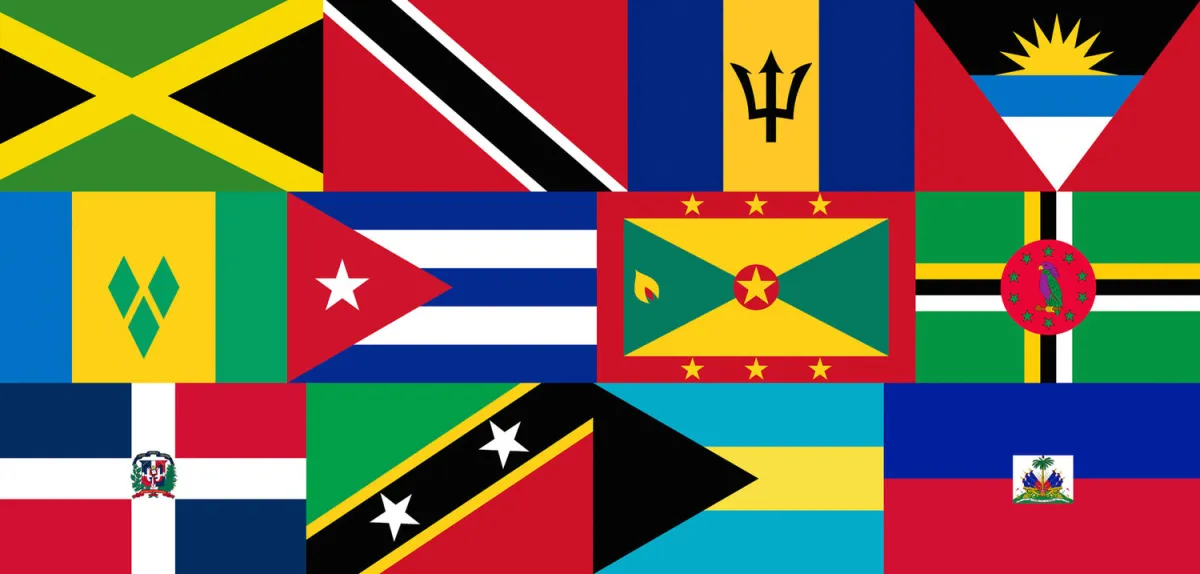
As part of the Global South, the Caribbean must more than take stock of the global interplay of forces shaping a new world order. In spite of Trinidad prime minister’s intemperate outburst in the weeks leading to the invasion of Venezuela, Caricom must re-double its efforts to strengthen regional co-operation. President Trump is, indeed, creating a new world order which will upend and deepen the polarising globalism and create further discord and poverty within the region. Europe is busy scrambling to protect its interests, and the key global principles of sovereignty, equality, co-operation, and multilateralism, upon which the world’s axis has hitherto orbited, and upon which Caricom have long depended, have cracked at the seam.
The role of the US in the Caribbean under President Trump will have to be viewed pragmatically, for small island developing states with no resources and with their economies umbilically tied to the metropole, must take stock of their global partnerships. Despite the clear implications for continued bilateral relationships with China, their involvement in the region also bears ominous signs of geopolitical influence, economic dependence and the risk of debt distress. In the nature of the present geopolitical endgame, the divide-and-rule policy is in full force, and a weak region is being pushed to the brink of consequentialism. Mia Mottley says she is not naïve, and the recent decisions of several heads of Caribbean states to enter ‘a deal’ with the United States to accept asylum seekers from elsewhere is shrilling.
PJ Patterson’s wake-up call earlier to regional leaders regarding the military build-up in the Caribbean and the merit in his suggestion to establish a group of former Caricom heads to address the long-term implications for the region must be acted upon with despatch. Bruce Golding’s sobering article two weeks ago should also set the tone for a Caricom reset of its agenda.
If history is to absolve our present leaders, then it is now that a quiet push towards South-South cooperation must begin to explore the benefits of facilitating trade, investment, technology transfers and increased bargaining power among countries sharing a common history and purpose.